



We build production AI systems for communities that need them most.

We need experience to get a job. We need a job to get experience. Let's break the loop together.

So "years of experience" doesn't start at zero.

From student to engineer. For real.

If you want hands-on engineering tied to partner needs, there is room to contribute here.

Faculty & Advisors

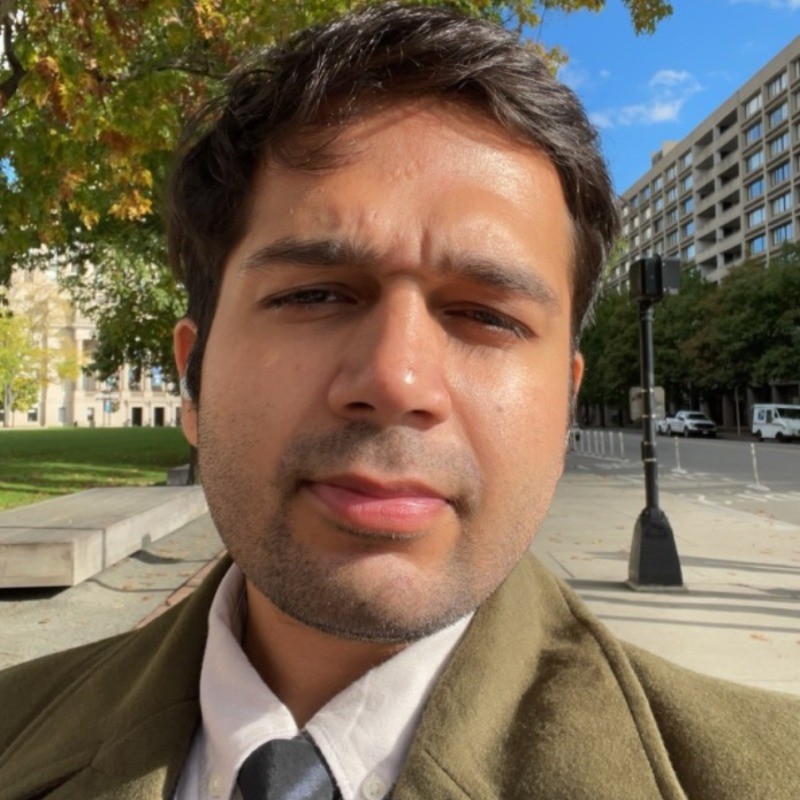
Prof. Kathleen Park, PhD

Prof. Kathleen Park, PhD

Harvard · MIT · BU

Most agentic AI research focuses on what these systems can do. We at AnacodicAI Labs focus on who they're for...
Prof. Eugene Pinsky, PhD

Prof. Eugene Pinsky, PhD

BU · Harvard · Columbia

Research rigor means being able to show your work at every step — the methods, the assumptions, the limitations...

Who we are, and why we build

Why we exist

Students need a hire to prove what they can do. Partners need a budget line for tools that would matter—when both gates stay shut, nothing moves.

We build in that opening: with the people waiting on the other side, in public, under the same evidence bar we use in peer-reviewed work.

Education

44M teachers short by 2030. 66% of Malawi schools: 90+ students per teacher.

We build: Terrier Grader

Read the research →

Source · OECD 2024 →

Healthcare

Rural clinics with no access to latest research. < 1 psychiatrist per 100K in low-income countries.

We build: ClinicalSearch · Mindwell

Read the research →

Source · PMC 2025 → · WHO 2024 →

Livelihoods

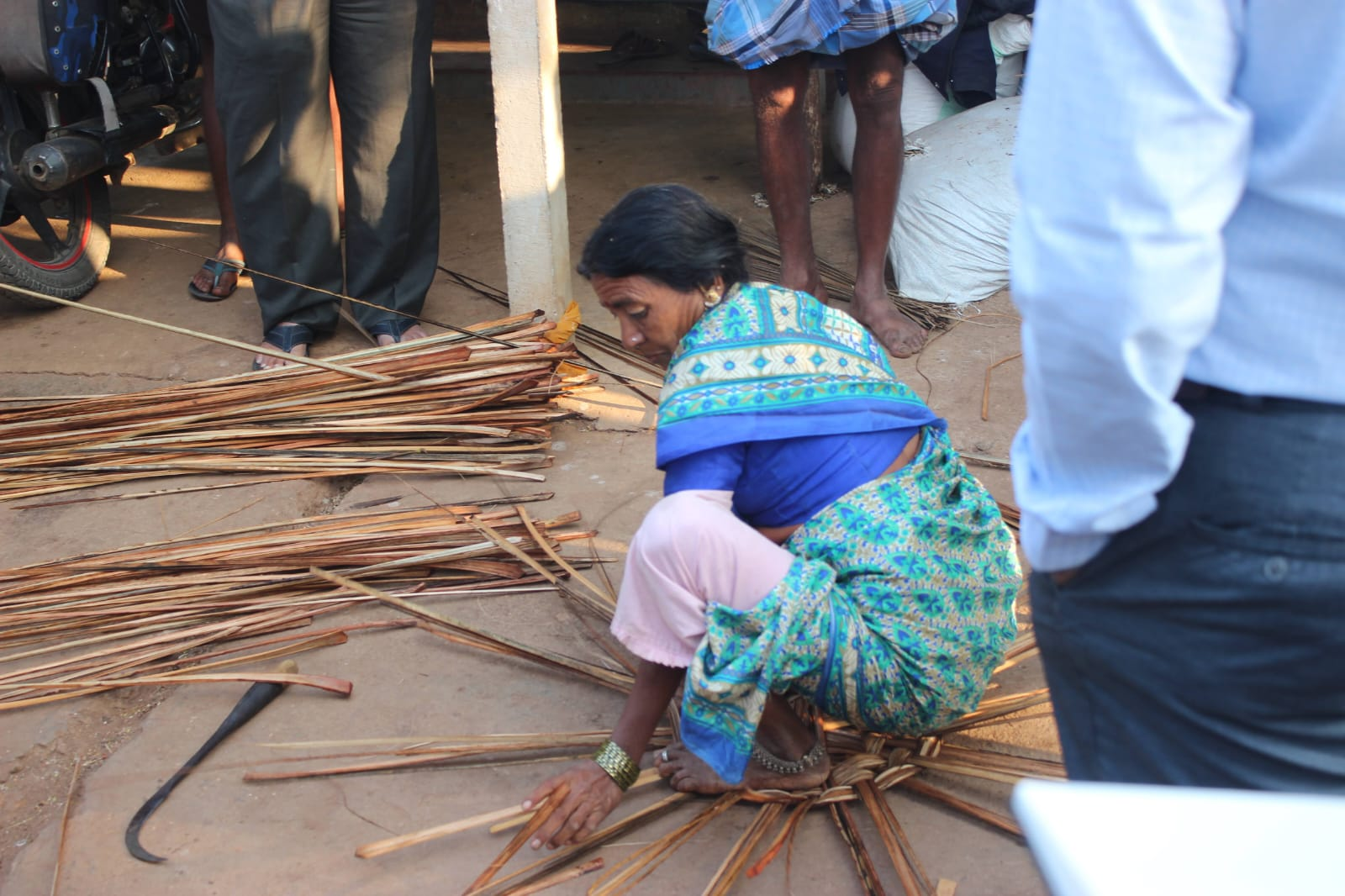
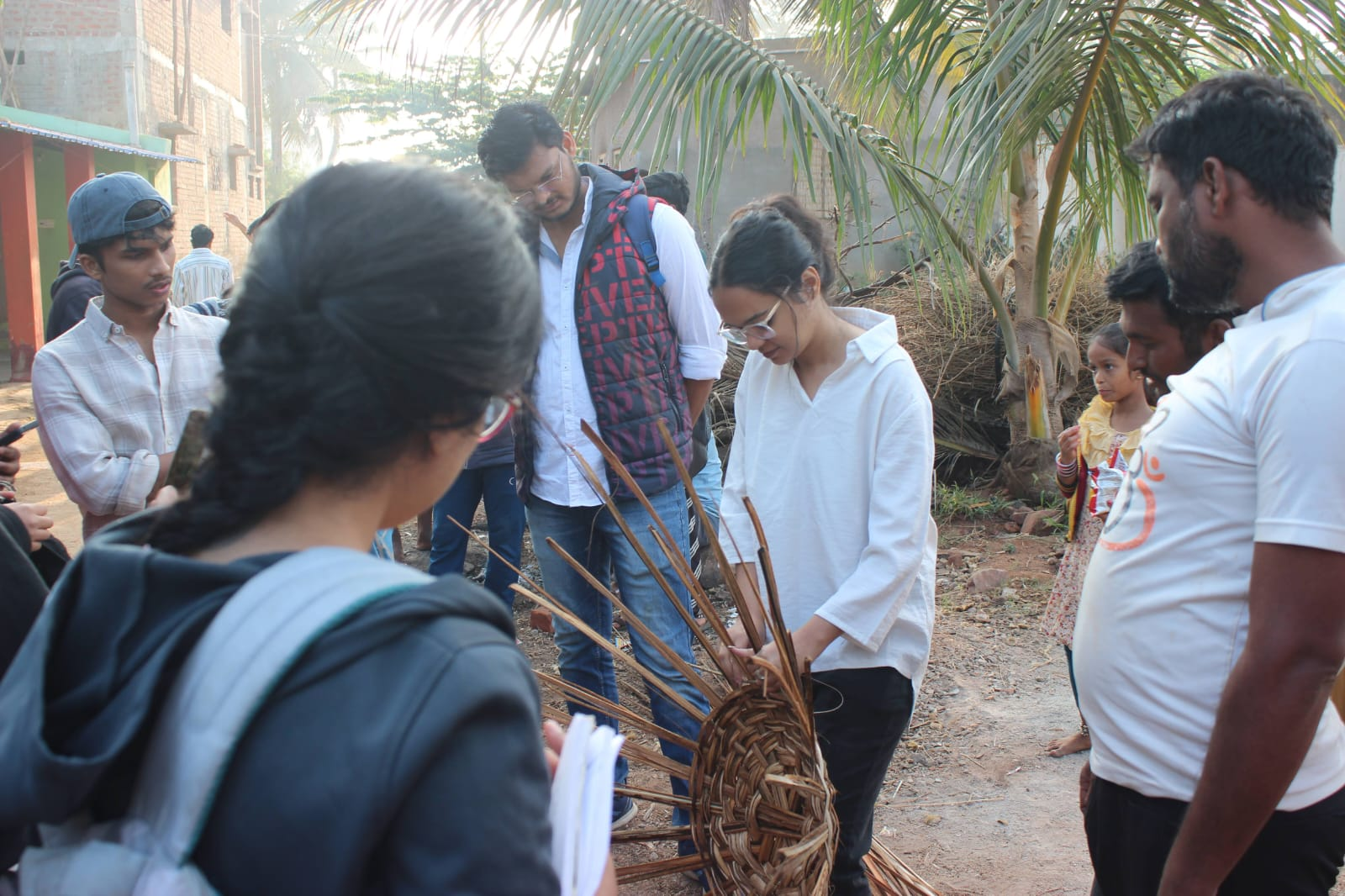
Skill-rich artisan communities locked out of premium markets.

We research: Weave Forward

Read the research →

Source · Field research 2024 → · Challakere, Punjab →

How we bridge it

You bring the skills; they hold the mandate. We run the collaboration like research and ship like production—clear scope, honest review, systems that still work after the semester ends.

What you get

Students leave with work they can defend in a room. Partners leave with systems they could not have sourced from a catalog—or an RFP—alone.

Where we build

Rooted at Boston University.

Engineered to hold where infrastructure, capital, and attention run out first.

OPEN RESEARCH

Faculty-advised research. Two published in peer-reviewed journals. Two open for student collaborators.

Carbon Cost of Intelligence
Published

Carbon Cost of Intelligence

AI Energy Research

Empirical benchmarking of energy consumption and carbon emissions across frontier LLMs on 5 MMLU domains. Establishes a per-query carbon cost framework with a 4.3× energy differential between model endpoints and 12.1% cross-domain bias in energy allocation. Foundation for the CCI service integrated into the ClinicalSearch pipeline.

Rashanjot Kaur, Triparna Kundu, Kathleen Marshall Park, Eugene Pinsky

LLM BenchmarkingEnergyCarbon Emissions

Energies · MDPI · 19(3), 642

Operational Resilience Under Carbon Constraints: A Socio-Technical Multi-Agentic Approach to Global Supply Chains
Published

Operational Resilience Under Carbon Constraints: A Socio-Technical Multi-Agentic Approach to Global Supply Chains

Optimization AI

Multi-agentic framework for supply chain optimization under carbon regulatory constraints. Introduces the CASP metric a weighted harmonic mean for evaluating operational resilience across energy transition scenarios. Models socio-technical dependencies that static optimization ignores.

Rashanjot Kaur, Triparna Kundu, Bhanu Sharma, Kathleen Marshall Park, Eugene Pinsky

Multi-AgentSupply ChainCarbon-Aware Compute

Systems · MDPI · 14(4), 374

Privacy-Preserving Multi-Agent Architecture for Scalable Mental Health Support Under Regulatory Constraints
Open for Collaboration

Privacy-Preserving Multi-Agent Architecture for Scalable Mental Health Support Under Regulatory Constraints

Faculty-advised research — team forming

→ Core contributors included as co-authors

Healthcare AI

Multi-agent architecture for mental health support with PII boundary enforcement at the system level, not the application level. Ephemeral session design prevents cross-interaction data leakage. Structured agent delegation across intake, assessment, resource matching, and escalation under HIPAA regulatory constraints.

Multi-AgentHIPAAPII DetectionLangGraphPrivacy-PreservingAI Safety

Apply by April 30, 2026

Multi-Agent Evidence Retrieval with Citation Provenance for Resource-Limited Clinical Settings
Open for Collaboration

Multi-Agent Evidence Retrieval with Citation Provenance for Resource-Limited Clinical Settings

Faculty-advised research — team forming

→ Core contributors included as co-authors

Evidence Retrieval AI

Namespace-partitioned multi-agent retrieval architecture with source-grounded synthesis for clinical evidence access in settings without research librarians or database subscriptions. Nine domain-specialized retrieval agents coordinated through orchestrator-driven routing on AWS Bedrock. Citation provenance preserved end-to-end to prevent hallucinated evidence.

Multi-AgentRAGEmbeddingsMedical NLPCitation AnalysisAWS Bedrock

Apply by April 30, 2026

Write code that someone is waiting for.

Founded at BU · Systems backed by research · Volunteer-run

Collaborating with: BU · Cleveland Clinic · Bharattap